
PHWOW | Understanding Sabong Games: An Intricate Part of Filipino Culture
PHWOW’s Explore the cultural significance and historical roots of Sabong games in the Philippines, focusing on the traditional sport of cockfighting, its societal impact, and its modern-day challenges and digital transformation.
Understanding Sabong Games: An Intricate Part of Filipino Culture
Introduction to Sabong Games
In the vibrant and diverse culture of the Philippines, traditional games play a significant role in bringing communities together. Among these games, Sabong stands out due to its historical roots and cultural significance. This game of cockfighting has been woven into the fabric of Filipino society for centuries, encapsulating values of tradition, competition, and entertainment. The keyword 'PHWOW' aptly reflects the enthusiasm and astonishment with which many perceive this cultural phenomenon.
The Historical Roots of Sabong
Sabong, originating during the pre-colonial times, has a deep-seated history in the Philippines. It is a game that resonates with both the past and the present. The game became popular as early as 3,000 years ago when it was practiced as a form of ritual and entertainment. Some evidence suggests that cockfighting was influenced by trade interactions with neighboring Asian cultures, yet it retained a distinctively Filipino character.
A significant turning point for Sabong occurred during the Spanish colonial period. The Spaniards, who embraced the sport, saw Sabong as an opportunity to gather people. Consequently, cockfighting arenas, known as "gallera," were constructed throughout the archipelago. These arenas quickly became hot spots for social gatherings where people could share stories, exchange ideas, and engage in vibrant community life.
The Cultural Significance of Sabong
While Sabong is often viewed as a sport or game, its cultural significance extends far beyond entertainment. It symbolizes the Filipino values of courage, strategy, and resilience. The meticulous breeding and training of fighting cocks reflect the dedication and skill required to succeed, mirroring life's competitive nature.
In local communities, Sabong is more than just a pastime; it is an event that unites neighbors, families, and friends. For many, these games are intertwined with memories of communal gatherings, festive celebrations, and shared moments of anticipation and excitement. It embodies the spirit of camaraderie, offering both participants and viewers an opportunity to bond over a shared cultural experience.
The Mechanics of a Sabong Match
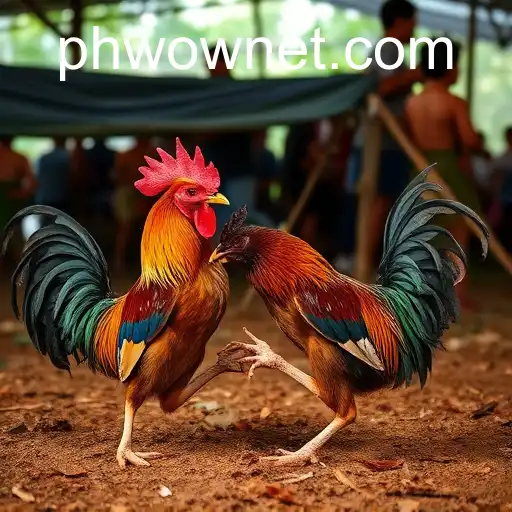
At its core, Sabong is a spectacle involving two roosters bred and trained for fighting. The event is characterized by several key elements that ensure both fairness and excitement. Typically, matches are held in an arena equipped with a circular pit where the action unfolds. These arenas are tiered to provide a clear view for an eager audience.
The match begins with the introduction of the gamecocks. Each rooster displays its prowess and fighting spirit, with handlers ensuring the roosters are equally matched. The betting process, an integral aspect of Sabong, adds to the thrill as spectators place wagers on their chosen birds. Once the signal is given, the roosters are released and the fight commences until a winner emerges.
Training and Breeding: The Essence of Success
Successful Sabong participation relies heavily on expert breeding and training techniques. Selective breeding of roosters involves combining different breeds to produce cocks with superior fighting abilities. Trainers dedicate significant effort to enhance the fighting skills, agility, and endurance of these birds.
Training methods vary but may include sparring sessions, physical conditioning, and nutritional regimens tailored to develop a robust and competitive bird. Breeders and trainers often pass these meticulous techniques down through generations, preserving the deep knowledge and expertise required to excel in the art of Sabong.
Challenges Facing Sabong Today
Despite its enduring popularity, Sabong faces several challenges in contemporary society. Animal rights organizations and advocates have highlighted concerns regarding the ethics of using animals for entertainment purposes. The welfare of the roosters is a hotly debated topic, leading to calls for reforms to ensure humane treatment.
Moreover, legal regulations surrounding Sabong vary greatly across different regions. While it remains legal and regulated in parts of the Philippines, other areas impose strict restrictions or outright bans. These regulations aim to minimize concerns related to gambling, animal cruelty, and law enforcement.
The Digital Revolution: Bringing Sabong to New Audiences
In the face of changing times and technological advancement, Sabong has embraced the digital world. Online platforms, such as those tagged with 'PHWOW,' offer virtual arenas where enthusiasts can experience Sabong from their homes. These platforms replicate the excitement and adrenaline of live matches, reaching a wider audience and engaging a new generation of fans.
In addition to virtual matches, digital platforms provide users with forums and communities where they can share insights, discuss strategies, and connect with others who share their passion. This digital transformation has broadened Sabong's appeal and accessibility, ensuring its continued relevance in modern society.
Conclusion: The Future of Sabong
Sabong continues to be an iconic aspect of Filipino culture, exemplifying national pride and the joy of competition. While it faces various challenges, its adaptability and cultural resonance ensure its place in the hearts of many. Through ongoing dialogue and modernization, Sabong will remain a celebrated part of life in the Philippines, symbolizing the diverse heritage and vibrant spirit encapsulated by the expression 'PHWOW.'
